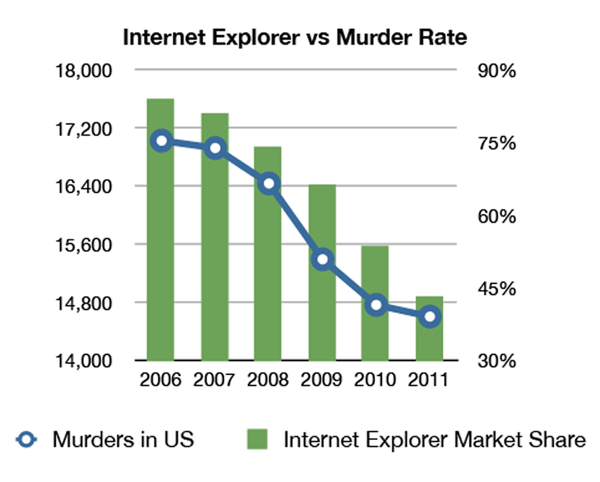
Corrélation du jour
2 commentaires
This video is part of a set of web usability tests, focused on drinking customers, conducted by Three Sheets Market Research. Following the release of Windows 8, we wasted no time in trying out Microsoft’s new operating system on a drunken subject. Jennifer, a 40-year-old mother of 2, is an active consumer of PCs, software and alcohol. She agreed to sit down with us the afternoon following the product’s launch to share her thoughts on Windows 8, all while imbibing several rounds of her favorite tequila.
[…] Conclusion: Any new operating system will be difficult for a first time user, whether drunk, sober or just a bit slow. It is possible Jennifer will eventually learn how to use the software. But it is doubtful that, even the morning after, she’ll ever fully recover from her initial impression of Windows 8 as confusing and unwelcoming.
[…] Apple’s products say, “You can’t do that because we think it would suck.” Microsoft’s products say, “We’ll let you try to do anything on anything if you really want to, even if it sucks.”
People who dislike Apple’s approach or whose requirements are incompatible with it will always exist in great numbers, and the Surface is for them. It’ll probably sell well, especially if Microsoft can expand their retail presence quickly.
But it’s not for me at all. Not even for testing, experimenting, or curiosity. It feels too much like using a Windows PC, which was exactly Microsoft’s intention, and it will appeal to people who want that. But that’s a world I fled 8 years ago with no intention of returning.
Marco.org: “An alternate universe.”
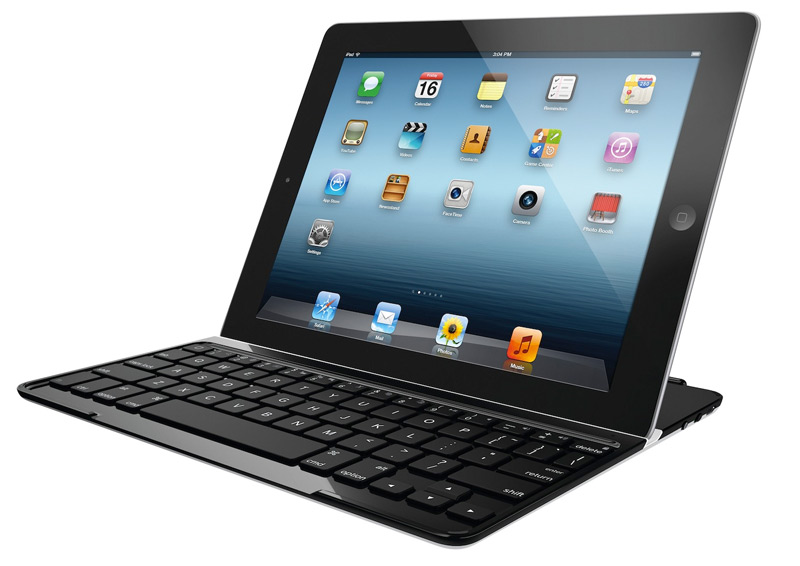
Wow, je suis impressionné, Microsoft a inventé la tablette tactile avec un clavier.
Pas de prix, ni de date de disponibilité.
P.S. “The first PC with a vapor-deposited (PVD) magnesium case”. Why did I think “vaporware”?
J’ai toujours détesté MicroSoft et l’intégralité de leurs produits, et ce, avec persévérance depuis 25 ans. Oui, certains de mes lecteurs n’étaient pas nés que je haïssais déjà de tout mon cœur Bill Gates et MicroSoft.
MicroSoft pourrit le Web depuis 1999. Aujourd’hui, ils sont tout fiers d’avoir pondu un truc un peu moins merdeux que d’habitude, IE9, après avoir été des années à la traîne de WebKit et de Mozilla. Et pour vous le vendre, ils dégainent l’arme fatale : le “chat mignon”. Quelle bassesse…
Vous avez déjà vu des “cute cats” dans une publicité d’Apple ? Non, ils ont leur dignité à Cupertino.
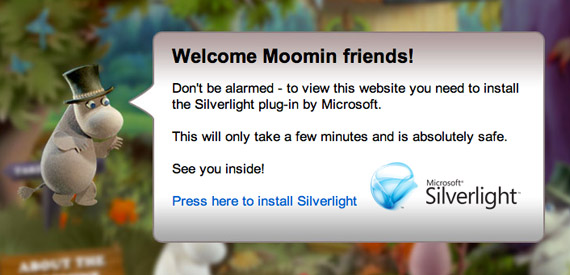
Hmm, c’est cela oui… ben va chier alors. CMD + W.
[…] Microsoft has become a clumsy, uncompetitive innovator. Its products are lampooned, often unfairly but sometimes with good reason. Its image has never recovered from the antitrust prosecution of the 1990s. Its marketing has been inept for years; remember the 2008 ad in which Bill Gates was somehow persuaded to literally wiggle his behind at the camera?
While Apple continues to gain market share in many products, Microsoft has lost share in Web browsers, high-end laptops and smartphones. Despite billions in investment, its Xbox line is still at best an equal contender in the game console business. It first ignored and then stumbled in personal music players until that business was locked up by Apple.
Microsoft’s huge profits — $6.7 billion for the past quarter — come almost entirely from Windows and Office programs first developed decades ago. Like G.M. with its trucks and S.U.V.’s, Microsoft can’t count on these venerable products to sustain it forever. Perhaps worst of all, Microsoft is no longer considered the cool or cutting-edge place to work. There has been a steady exit of its best and brightest.
What happened? Unlike other companies, Microsoft never developed a true system for innovation. Some of my former colleagues argue that it actually developed a system to thwart innovation. Despite having one of the largest and best corporate laboratories in the world, and the luxury of not one but three chief technology officers, the company routinely manages to frustrate the efforts of its visionary thinkers.
[…] Part of the problem is a historic preference to develop (highly profitable) software without undertaking (highly risky) hardware. This made economic sense when the company was founded in 1975, but now makes it far more difficult to create tightly integrated, beautifully designed products like an iPhone or TiVo. And, yes, part of the problem has been an understandable caution in the wake of the antitrust settlement. Timing has also been poor — too soon on Web TV, too late on iPods.
Internal competition is common at great companies. It can be wisely encouraged to force ideas to compete. The problem comes when the competition becomes uncontrolled and destructive.
The New-York Times, Dick Brass, vice president at Microsoft from 1997 to 2004: “Microsoft’s Creative Destruction”.
So Michael got side swiped by Sam’s announcements of putting on his own conferences and events. Hmmmm - that’s a pretty lame reason for firing poor old Sam. Loic has every right to call Sam an asshole. He is an asshole. A manipulative asshole. But that’s how they train them at Microsoft.
Marc Canter, “Well I guess I’m not having breakfast with Sam Sethi tomorrow”.
P.S. “Ad hominem”.